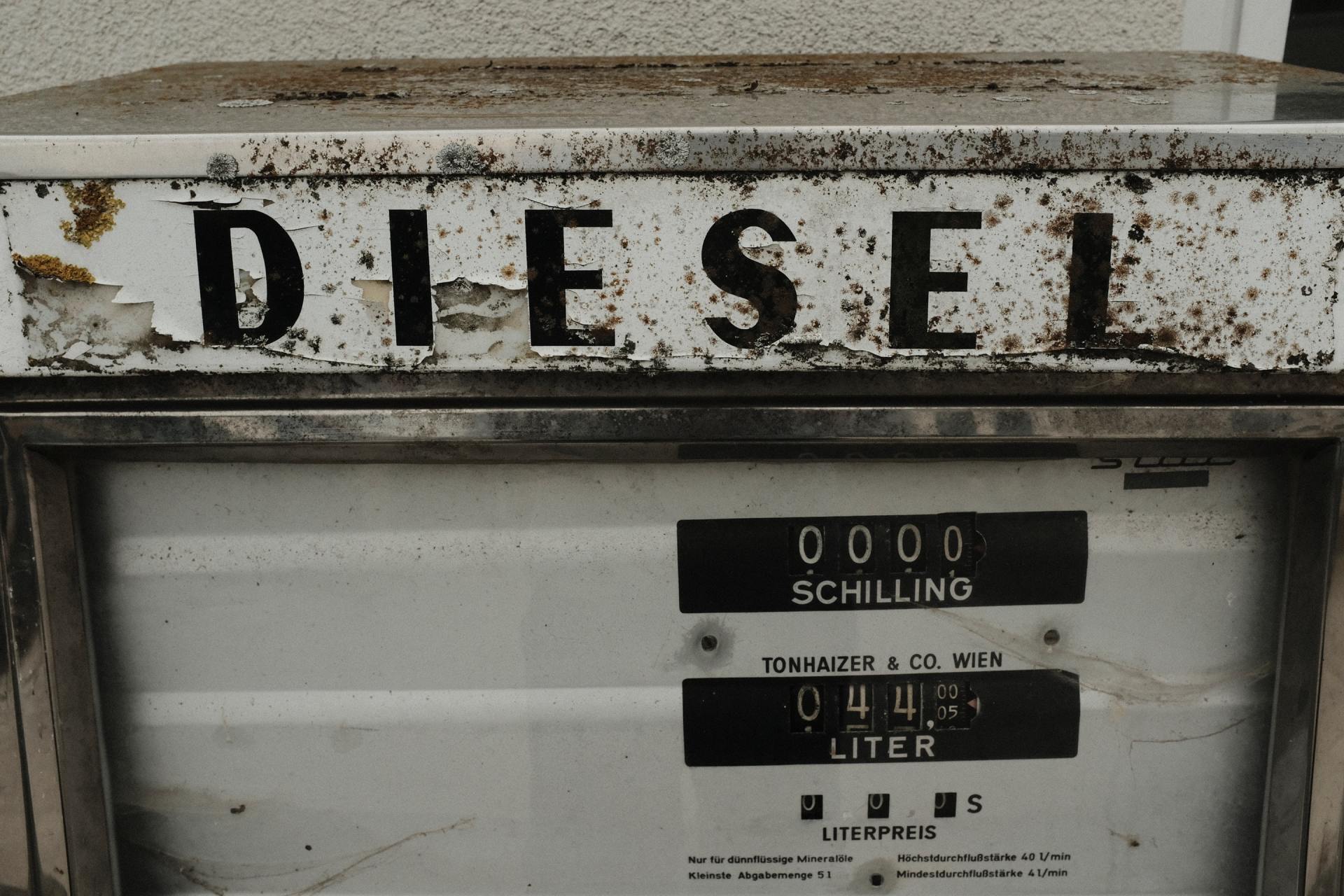
Diesel bug and old fuel
What is diesel bug?
At a glance: Diesel bug is biological sludge made up of bacteria, yeasts and moulds that grow in fuel—usually because of water in the tank, such as condensation after a long period out of use. It mainly affects motorhomes, boats and agricultural machinery; petrol engines can also be affected when biofuel content is high. The sludge clogs fuel lines and filters. If a tank-bottom sample is cloudy or a layer has settled: do not start the engine. We pump out and clean tanks on site throughout NRW: 0177 3555403.
Diesel bug is the presence of microorganisms such as moulds, bacteria or yeasts, accompanied by visible biological sludge in diesel fuel.
All fuels used to power vehicles are organic in origin—that is, they are carbon-based chemical compounds derived from substances found in living organisms.
What are the dangers of diesel bug?
These microorganisms, or the biological sludge they produce in fuel tanks, can clog fuel lines and filters and damage engine components.
The same problems can occur in petrol engines, particularly with high blends of biofuel such as E10, E85 or E100.
Vehicles that are left unused for long periods, such as motorhomes, boats and agricultural machinery, often develop problems with biological sludge. To prevent damage to your vehicle and engine after a long period out of use, the fuel tank must be emptied and cleaned.
Our technicians will be happy to answer any further questions.
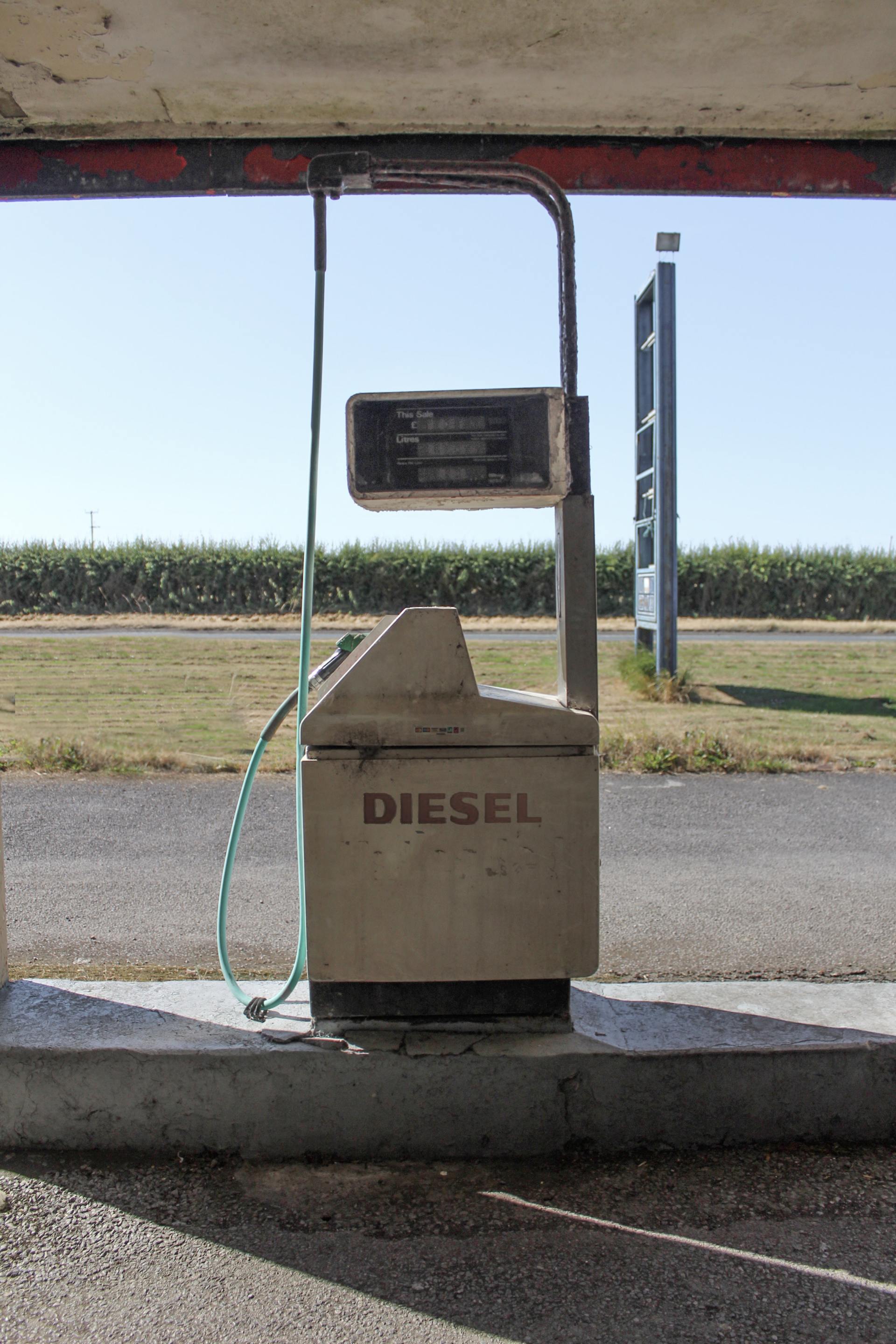
Mobile Fuel Draining Service - Immediate On-Site Assistance - 24 Hours
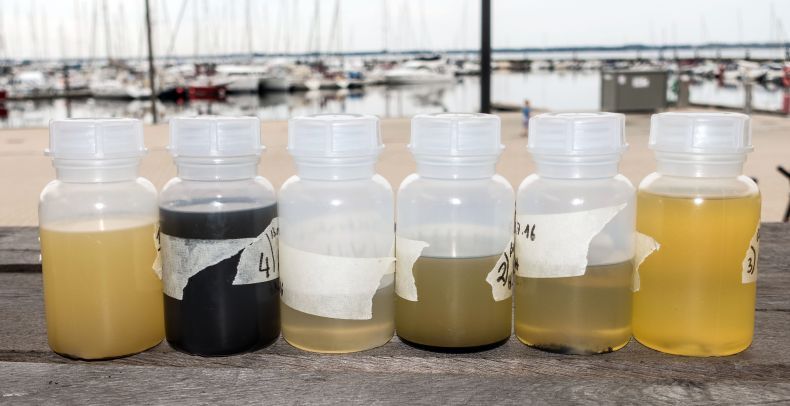
How can diesel fuel contamination be prevented?
- Do not allow rainwater to enter the tank while refuelling.
- If the tank has a drain for settled water, use it from time to time.
- Check seldom-used fuel cans for possible contamination.
- If the vehicle will be out of use for a long time, fill the tank completely to minimise condensation.
- After a long period out of use, take a sample from near the bottom of the tank to assess the condition. The diesel should be clear and transparent.
- If a layer settles at the bottom of the sample after a short time, do not start the engine, as this could draw in the sludge and spread it through the lines, filters and pumps.
- In such cases, the tank must be pumped out and cleaned—call us!